Glass Display Font: A Comprehensive Evaluation for Modern Designers
In the crowded landscape of digital typography, finding a typeface that commands attention without sacrificing readability or elegance is a persistent challenge. Glass has emerged as a unique and fresh display font that addresses this specific need with a distinct visual character. Unlike standard serif or sans-serif families that prioritize neutrality, Glass is engineered to be a focal point, offering a sleek, modern aesthetic that mimics the transparency and refraction of its namesake material. For designers aged 20 to 50 who are evaluating tools for high-impact projects, understanding the nuances of this font is essential before integrating it into a workflow.
This evaluation explores what makes Glass distinct, how it fits into broader typographic categories, and the practical tradeoffs involved in selecting it over other display options. The goal is to provide a clear, unbiased assessment that helps professionals determine if this resource aligns with their specific design objectives.
Defining the Visual Identity of Glass
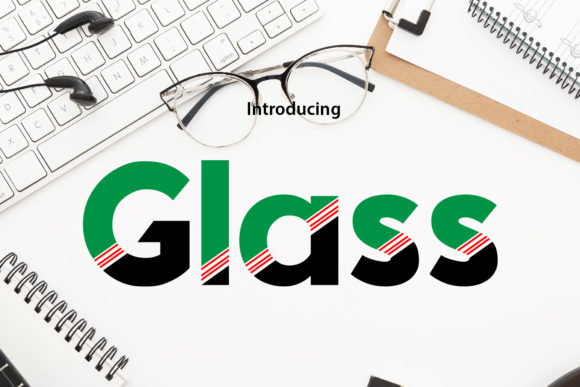
To understand why Glass is considered unique, one must look beyond the basic classification of "display" fonts. While many display typefaces rely on heavy strokes, ornate details, or retro aesthetics to grab attention, Glass introduces a contemporary geometric purity. Its letterforms often feature clean lines, subtle variations in weight, and a sense of lightness that suggests clarity and modernity.
The font's primary distinction lies in its ability to convey a sense of premium quality and innovation. When used correctly, the characters do not feel like static ink on paper; instead, they appear dynamic, almost as if they are reflecting light. This characteristic makes it particularly effective for headlines where the text needs to stand out against complex backgrounds or minimalist layouts. The design philosophy behind Glass prioritizes originality, ensuring that designs created with it feel fresh rather than derivative of existing trends.
However, this distinctiveness comes with specific requirements. Because the font is so visually active, it demands a thoughtful approach to hierarchy. It is not a utility font meant for body copy; its power is reserved for short bursts of communication where impact is the primary metric of success.
Comparative Analysis: Glass vs. Traditional Display Fonts
When evaluating Glass, it is helpful to compare it against the broader spectrum of display typefaces available to designers. Most traditional display fonts fall into two camps: those that evoke nostalgia (such as vintage serifs or Art Deco styles) and those that emphasize boldness through extreme weights (like heavy slab serifs or grotesque sans-serifs).
- Versus Retro Styles: Many designers turn to vintage-inspired fonts to create a sense of history or warmth. Glass offers a sharp contrast here. Where retro fonts might feel cozy or established, Glass feels forward-thinking and tech-forward. If a project requires an emotional connection to the past, Glass may feel too clinical. However, for brands positioning themselves as cutting-edge or futuristic, Glass provides a superior alternative to dated styles.
- Versus Heavy Geometric Sans-Serifs: Standard geometric fonts are excellent for clarity but can sometimes appear generic. They lack the specific "personality" that Glass brings to a layout. While a standard geometric font might blend seamlessly into a corporate identity, Glass acts as a statement piece. The tradeoff is versatility; while a standard geometric font can often survive in smaller sizes or dense paragraphs, Glass loses its integrity when scaled down or overcrowded.
- Versus Decorative/Script Options: Some display fonts attempt to add flair through intricate swashes or handwritten qualities. Glass achieves uniqueness through structural refinement rather than ornamentation. This makes it more suitable for professional contexts where legibility and sophistication are paramount, avoiding the potential clutter that decorative scripts can introduce.
This comparison highlights that Glass occupies a specific niche. It is not a replacement for a workhorse sans-serif, nor is it a direct substitute for nostalgic branding. Instead, it serves as a specialized tool for moments that require a polished, high-end finish.
Strengths and Functional Benefits
The decision to use Glass should be driven by the specific strengths it offers in a design ecosystem. Its most significant advantage is its ability to elevate brand perception instantly. In marketing materials, website headers, or packaging design, the presence of Glass signals a commitment to quality and attention to detail.
Furthermore, the font's structure allows for excellent pairing capabilities. Because the letters are relatively open and uncluttered, Glass pairs well with highly readable serif or neutral sans-serif fonts for body text. This combination creates a balanced composition where the headline captures attention, and the supporting text ensures the message is digestible. The contrast between the unique display nature of Glass and the functional simplicity of body text creates a professional rhythm that guides the reader's eye naturally.
Another benefit is its adaptability across different media. Whether rendered on a high-resolution mobile screen or printed on large-format signage, the clean lines of Glass tend to maintain their crispness. This reliability is crucial for designers working on multi-channel campaigns where consistency is key to maintaining brand integrity.
Evaluating Limitations and Tradeoffs
No single typeface is a universal solution, and Glass is no exception. Understanding its limitations is just as important as recognizing its strengths. The primary constraint is its scope of application. Due to its stylized nature, using Glass for extended text blocks can lead to visual fatigue. Readers may struggle to process long passages set in a display font, regardless of how elegant the individual characters appear.
Additionally, there is the factor of familiarity. In some conservative industries, such as finance, law, or healthcare, a font that feels too avant-garde might undermine credibility. These sectors often prefer typography that conveys stability and tradition. In such contexts, Glass might be perceived as too flashy or risky. Designers must weigh the desire for originality against the expectations of their target audience.
There is also a technical consideration regarding file size and compatibility. High-quality display fonts often include extensive character sets and ligatures to support diverse languages and special effects. While this enhances functionality, it can increase the load time of web pages if not optimized properly. Designers must ensure that the implementation of Glass does not compromise the performance of the final deliverable.
Decision Factors: When to Choose Glass
Selecting Glass should be a strategic decision based on the goals of the project. It is the right choice when the objective is to create a memorable first impression. Consider scenarios where the design needs to break through the noise of a saturated market. For example, a launch campaign for a new technology product, a luxury fashion editorial, or a creative portfolio website would all benefit from the distinctive character of Glass.
The font is also ideal for projects that aim to communicate concepts of transparency, clarity, or innovation. The visual metaphor of glass itself reinforces these themes, making the typography an integral part of the storytelling process. In these cases, the font does more than just convey information; it embodies the brand's values.
Conversely, readers should consider alternative options when the project prioritizes mass appeal, speed of reading, or adherence to strict brand guidelines that favor neutrality. If the content is data-heavy, educational, or intended for a broad, general audience that may not respond well to stylistic experimentation, a more conventional typeface would likely serve the purpose better. In these situations, the risk of alienating readers outweighs the benefit of a unique aesthetic.
Practical Application Examples
To illustrate the fit, imagine a scenario involving a rebranding effort for a sustainable energy company. The client wants to move away from the clichéd green imagery and earthy tones associated with the industry. By using Glass for their main logo and campaign headlines, they can visually communicate efficiency, clarity, and a modern approach to energy. The font's clean lines suggest precision, while its fresh appearance signals a departure from old methods.
In contrast, consider a legal firm updating its website. While they want to appear modern, their core business relies on trust and established authority. Using Glass for their service descriptions might feel too casual or trendy. Here, a refined serif or a classic humanist sans-serif would be a more appropriate choice, reserving Glass only for very minor accent elements, if at all.
Final Thoughts on Integration
The journey of selecting a display font involves balancing artistic vision with practical constraints. Glass stands out as a compelling option for designers seeking a blend of modernity and elegance. Its unique structure allows for original and outstanding designs that resonate with contemporary audiences. However, its effectiveness is contingent upon thoughtful application.
By carefully considering the context, the audience, and the specific goals of the project, designers can leverage Glass to enhance their work without compromising usability. It is a powerful tool in the typographic arsenal, best deployed when the design calls for a touch of sophistication and a clear statement of intent. As with any resource, the key lies in knowing when to use it and when to look elsewhere, ensuring that every design decision contributes to a cohesive and effective final result.