Roliga: The Unapologetic Voice of Bold Design
In a digital landscape saturated with clean lines, geometric minimalism, and sterile sans-serif typefaces, there is a growing hunger for something tactile. Designers are seeking ways to inject personality, grit, and raw energy into their work without sacrificing legibility or professional polish. This is where the specific aesthetic of textured display fonts becomes critical. Among these options, Roliga stands out as a definitive choice for creators who want their message to be felt, not just read.
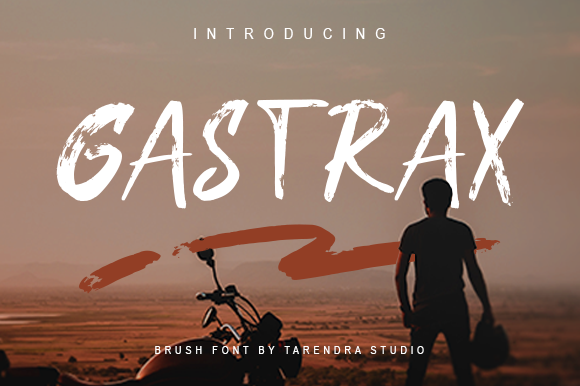
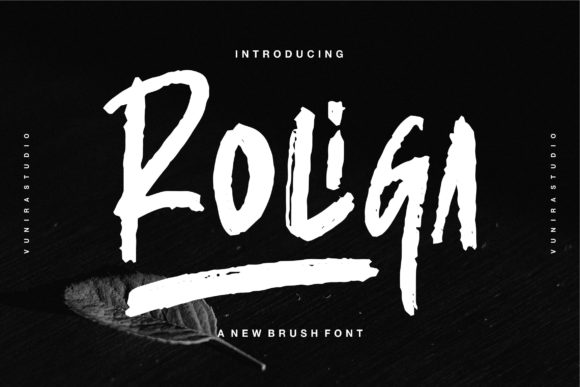
Roliga is a bold, brushed and rough textured display font. No matter the topic, this font will be an incredibly asset to your fonts library, as it has the potential to elevate any creation. Its unique character comes from the deliberate imperfections that mimic physical media—brush strokes, ink splatters, and weathered surfaces. When used correctly, it transforms standard text into a visual experience that commands attention.
The Psychology of Roughness in Visual Communication
To understand why a font like Roliga works so effectively, one must look at the psychology of texture. In graphic design, smoothness often conveys precision, technology, and corporate stability. Conversely, roughness communicates authenticity, history, rebellion, and human touch. When a viewer encounters a word rendered in a brush-style font, their brain subconsciously associates it with hand-crafted items, street art, or vintage packaging.
This psychological trigger is powerful for several reasons:
- Authenticity: It suggests that a brand or project is grounded in reality rather than being overly polished or artificial.
- Urgency: The aggressive nature of bold, textured strokes creates a sense of immediacy that flat fonts often lack.
- Memorability: The irregular edges of the letters make the text visually distinct, helping it stick in the viewer's memory longer than standard typography.
By incorporating Roliga, professionals can tap into these emotional responses immediately. Whether you are designing a poster for a music festival, a label for a craft beverage, or a headline for a tech blog, the texture adds a layer of depth that flat colors cannot achieve.
Why Texture Matters More Than Ever
We live in an era of "flat design" fatigue. For over a decade, user interfaces and marketing materials have leaned heavily on two-dimensional aesthetics. While effective for usability, this approach has led to a homogenization of style. Users are now craving tactile feedback even through screens. A font that simulates the feeling of paint on canvas or stone on a wall provides a sensory richness that breaks the monotony of the digital screen.
Roliga addresses this need perfectly. It does not try to hide its texture; it celebrates it. The brushed effect gives the illusion of movement, as if the letter was painted quickly and with force. This dynamic quality makes static images feel alive, drawing the eye across the page and encouraging engagement.
Practical Applications Across Industries
The versatility of Roliga lies in its ability to adapt to various contexts while maintaining its core identity. It is not limited to niche markets but serves as a powerful tool for broad audiences ranging from hobbyists to Fortune 500 companies. Below are specific scenarios where this font excels.
- Event Marketing and Concert Posters: Music genres like rock, punk, metal, and hip-hop rely heavily on high-energy visuals. A band name set in Roliga instantly sets the tone for the event, suggesting loud, visceral experiences. The rough edges mirror the chaotic energy of live performances.
- Craft Packaging and Product Labels: For businesses selling artisanal goods—such as hot sauces, craft beers, organic skincare, or handmade furniture—the font reinforces the "handmade" narrative. It signals to the consumer that the product inside is crafted with care, using traditional methods rather than mass production.
- Social Media Campaigns: In the fast-scrolling world of Instagram and TikTok, content must stop the thumb. Headlines using Roliga create a strong visual anchor. When paired with vibrant photography, the textured typography ensures the text remains readable even against busy backgrounds.
- Educational Materials and Infographics: While body text should remain clean, headers in educational content benefit from the emphasis provided by Roliga. It helps break up dense information, making complex topics feel more accessible and engaging for students and researchers.
- Streetwear and Fashion Brands: Fashion relies on attitude. Clothing lines that aim for an urban, edgy, or retro aesthetic find a natural home in this typeface. The font acts as a logo in itself, conveying a sense of rebellion and individuality.
Case Study: The Coffee Shop Rebrand
Consider a local coffee shop that wants to rebrand from a generic chain-like appearance to a specialty roaster. By switching their signage and menu boards to feature Roliga for key terms like "Roasted," "Brewed," and "Fresh," they shift the customer perception. The font implies that the beans were handled with intention and that the process involves skill and tradition. The result is a perceived increase in value, allowing the business to command higher prices based on the visual storytelling provided by the typography.
Implementation Strategies for Creators
Using a display font like Roliga requires a strategic approach to ensure it enhances the design rather than overwhelming it. Because the font is inherently busy due to its texture, it demands respect in how it is paired with other elements.
Pairing with Simplicity
The most common mistake designers make is pairing a heavy display font with another decorative font. To let Roliga shine, pair it with a simple, neutral sans-serif or serif for body copy. This contrast allows the headline to grab attention while the supporting text remains legible and unobtrusive. The visual weight of the brush strokes needs breathing room to be appreciated.
Color and Contrast
Texture interacts differently with color. High-contrast combinations, such as black text on white or deep navy on cream, allow the details of the brush strokes to pop. Alternatively, using Roliga with a solid, vibrant background color can create a striking, modern look. However, avoid placing the font over highly detailed images without a backdrop or drop shadow, as the texture may get lost in the visual noise.
Scale and Hierarchy
This font is designed to be large. Using Roliga at small sizes (below 14pt) can cause the texture to blur, making the text difficult to read and looking muddy. Reserve it for headlines, logos, pull quotes, and hero sections. If you must use it for smaller text, consider simplifying the texture or using a lighter weight variant if available.
Technical Considerations and Accessibility
While Roliga offers immense creative freedom, it is important to address accessibility and technical constraints. E-E-A-T principles dictate that content should be helpful and usable for everyone, including those with visual impairments or using assistive technologies.
Readability vs. Style
The rough texture can sometimes reduce legibility, particularly for individuals with dyslexia or low vision. Therefore, it is crucial to maintain sufficient line height and letter spacing when using this font. Do not crowd the text. Ensure that the contrast ratio between the text and the background meets WCAG guidelines (at least 4.5:1 for normal text).
File Formats and Web Performance
When implementing Roliga on a website, choose the appropriate file format (WOFF2 is recommended for modern browsers). Since display fonts are used sparingly, the impact on page load speed is minimal. However, always ensure that fallback fonts are defined in CSS so that if the custom font fails to load, the text remains readable in a standard system font rather than breaking the layout.
The Future of Tactile Digital Design
As we move further into the future of web and print design, the line between digital and physical continues to blur. Augmented reality (AR) and virtual reality (VR) environments are increasingly prioritizing immersive experiences. Typography plays a central role in this evolution. Fonts that simulate physical materials—like the brushed look of Roliga—are essential for creating worlds that feel tangible.
For educators and researchers, understanding the impact of these typographic choices is vital. It is no longer enough to simply present data; one must present it in a way that resonates emotionally. The adoption of textured fonts signals a shift towards more human-centric design, where the creator's voice is evident in every pixel.
Furthermore, as AI-generated content floods the internet, human-made imperfections become a premium commodity. A font like Roliga, which mimics the erratic nature of human brushwork, serves as a badge of humanity. It tells the audience that a person was involved in the creation process, adding a layer of trust and connection that algorithmic perfection often lacks.
Conclusion: Elevating Your Creative Library
In summary, Roliga is more than just a typeface; it is a tool for communication that bridges the gap between digital clarity and analog soul. Its bold, brushed, and rough textured characteristics offer a unique solution for designers struggling to stand out in a crowded market. By understanding the psychological impact of texture, applying it across diverse industries, and adhering to best practices for implementation, creators can harness the full potential of this font.
Whether you are a business owner looking to revitalize your brand identity, a creator seeking to add drama to your portfolio, or an educator aiming to engage your students, Roliga provides the visual strength needed to make a lasting impression. It proves that sometimes, to be heard clearly, one must first make a little noise.
Integrating Roliga into your workflow is a decision that elevates any creation. It invites the audience to lean in, look closer, and connect with the message on a deeper level. As the design industry evolves, having a versatile, character-rich font like this in your arsenal is not just an option—it is a necessity for those who wish to lead rather than follow.
Explore the possibilities of textured typography today. Let the rough edges guide your next project toward success, ensuring that your words are not only seen but felt.