After Smile: A Gentle Touch for Your Creative Projects
In the vast and often chaotic world of digital design, finding a font that strikes the perfect balance between personality and readability can feel like searching for a needle in a haystack. Many designers struggle with typefaces that are either too rigid for creative projects or too whimsical to be used professionally. This is where After Smile enters the conversation. It is not merely another decorative option; it is a carefully crafted display font designed to bring warmth, joy, and a sense of approachability to any visual composition.
As we explore the nuances of this typeface, we will look beyond simple aesthetics to understand how it functions as a tool for communication. Whether you are a small business owner looking to humanize your brand or a creator seeking a unique voice for a personal project, understanding the specific characteristics of After Smile is essential for making informed design decisions.
Understanding the Essence of After Smile
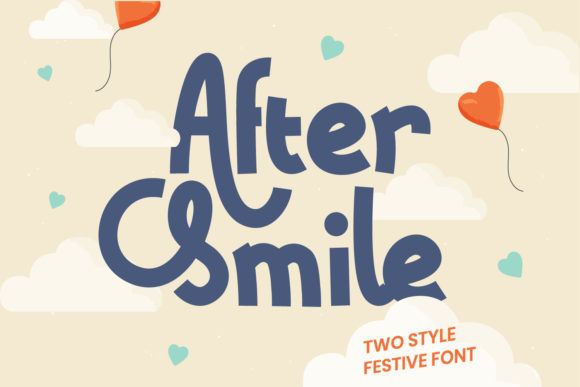
The name itself suggests an outcome of positivity. The font is described as a cute display font, but its true value lies in its ability to convey emotion through shape. Unlike standard sans-serif fonts that prioritize neutrality, or serif fonts that lean heavily on tradition, After Smile occupies a unique middle ground. It features rounded edges and soft curves that mimic the natural lines of a smile, creating an immediate psychological connection with the viewer.
This gentle font is engineered to look gorgeous on a variety of design ideas. Its structure avoids sharp angles, which can sometimes subconsciously signal aggression or coldness. Instead, every letterform is treated with care, ensuring that the text feels inviting rather than demanding. When you integrate After Smile into your workflow, you are essentially choosing a tone of voice before the reader even processes the words. It adds a jolly and sweet touch to each of your projects, transforming mundane headers into engaging focal points.
Key Characteristics and Design Philosophy
To truly appreciate the utility of this typeface, one must analyze its structural DNA. The letters are constructed with a consistent stroke weight that remains legible even at smaller sizes, provided they are used correctly as display elements. The x-height is generous, allowing for excellent readability in headlines and short phrases.
- Rounded Geometry: The absence of hard corners gives the text a friendly, organic feel.
- Playful Proportions: Certain characters feature slight variations in width and height to maintain rhythm without sacrificing clarity.
- Consistent Weight: The uniform thickness ensures that the text does not feel heavy or cluttered when used in large blocks.
These characteristics make it distinct from other "cute" fonts that often sacrifice readability for style. After Smile manages to be both charming and functional, a rare combination in the world of typography.
Practical Applications Across Industries
One of the most common questions regarding specialized display fonts is their versatility. Can a font that looks so cheerful be used in serious contexts? The answer is nuanced. While After Smile is inherently lighthearted, its application depends entirely on the context and the message being conveyed. It excels in scenarios where the goal is to build trust, evoke happiness, or simplify complex information.
- Branding and Identity: For businesses in the lifestyle, wellness, children's products, or food sectors, this font serves as a powerful branding asset. A bakery, a yoga studio, or a boutique toy store could use After Smile to instantly communicate their values of comfort and joy.
- Digital Marketing: In social media graphics, email newsletters, and blog headers, the font acts as a visual hook. Users scrolling through feeds are more likely to pause on content that appears warm and inviting. Using After Smile for call-to-action buttons or promotional banners can increase engagement rates by reducing visual friction.
- Event Design: Weddings, birthday parties, and community gatherings often require typography that reflects celebration. From invitation cards to signage and thank-you notes, this font adds a personalized, handcrafted feel that stock templates often lack.
- Educational Materials: Teachers and educational content creators often struggle to make learning materials feel less intimidating. Incorporating After Smile into worksheets, presentation slides, or children's books can create a welcoming atmosphere that encourages participation.
Real-World Scenarios
Consider a local coffee shop launching a new line of seasonal drinks. Instead of using a generic bold font for their menu board, they choose After Smile. The rounded letters soften the visual impact of the price list, making the purchase decision feel less transactional and more experiential. Similarly, a non-profit organization focused on mental health might use this font for their campaign posters. The "sweet touch" aligns perfectly with the supportive nature of their mission, reinforcing the message of care and empathy.
Evaluating Suitability and Limitations
While the benefits of After Smile are clear, responsible design requires an honest assessment of its limitations. No single font is a universal solution. Understanding where this typeface should not be used is just as important as knowing where it shines.
First, consider the industry context. If you are designing for a law firm, a financial institution, or a medical device manufacturer, the playful nature of After Smile may undermine the authority and seriousness required by those fields. In these high-stakes environments, clarity and gravity are paramount, and a font that adds a "jolly" touch might appear unprofessional or dismissive of the subject matter.
Secondly, technical constraints must be acknowledged. As a display font, After Smile is optimized for headlines, titles, and short phrases. It is generally not suitable for long-form body copy. Reading paragraphs of text set in a highly stylized display font can cause eye strain and reduce comprehension. The best practice is to pair After Smile with a clean, neutral sans-serif or serif font for the main body text. This contrast creates a hierarchy that guides the reader's eye effectively.
Guidance for Creators
When evaluating whether to adopt this font for your next project, ask yourself three critical questions:
- Does the tone match? Does the emotion of the font align with the message you are trying to send?
- Is the audience appropriate? Will your target demographic respond positively to a whimsical aesthetic, or do they prefer minimalism?
- Is the usage scale correct? Are you planning to use it for headlines and accents only, or are you attempting to use it for extensive reading material?
If the answer to these questions leans towards yes, then After Smile is likely an excellent addition to your toolkit. However, if there is doubt, it is always safer to test the font in a mockup before committing to a full design system.
Maximizing Value Through Pairing
The true power of After Smile is unlocked when it is paired strategically. Because it is a strong character on its own, it needs a partner that can provide stability. Think of it like a spice in cooking; a little goes a long way, and it works best when balanced with bland, foundational ingredients.
For web design, pairing After Smile with a geometric sans-serif like Helvetica Neue or Open Sans creates a modern yet friendly interface. The neutral body text allows the display font to pop without overwhelming the user. For print designs, such as brochures or packaging, combining it with a classic serif font can add a layer of sophistication, blending traditional elegance with contemporary playfulness.
Color also plays a vital role in enhancing the font's potential. Soft pastels, warm earth tones, and vibrant primary colors all complement the "sweet" nature of the letters. Conversely, stark black and white contrasts can sometimes make the font look too harsh, diminishing the gentle effect it was designed to achieve.
Conclusion: A Tool for Connection
In conclusion, After Smile represents more than just a collection of glyphs; it is a strategic choice for designers who want to foster connection and positivity. By adding a jolly and sweet touch to each of your projects, you are actively shaping the emotional response of your audience. Its gentle curves and cute display style make it a versatile asset for anyone looking to break away from the sterile monotony of standard corporate typography.
Whether you are building a brand identity, designing a marketing campaign, or simply creating something personal, taking the time to evaluate the suitability of After Smile ensures that your visual communication is both effective and emotionally resonant. When used with intention and paired correctly, this font has the power to turn a simple headline into a memorable experience, proving that even the smallest details in design can have a significant impact on the human experience.